Home staging costs $2,000–$8,000 per listing when you do it physically. Virtual staging costs less than a lunch. But the cheap option shows an empty house at the open house. Here is the honest comparison — real staging vs virtual staging vs digital staging — including the cases where physical home staging is still worth every dollar.
Try Virtual Staging Free — 30 SecondsThe short answer: it makes the listing photos dramatically better — and the in-person showing no different.
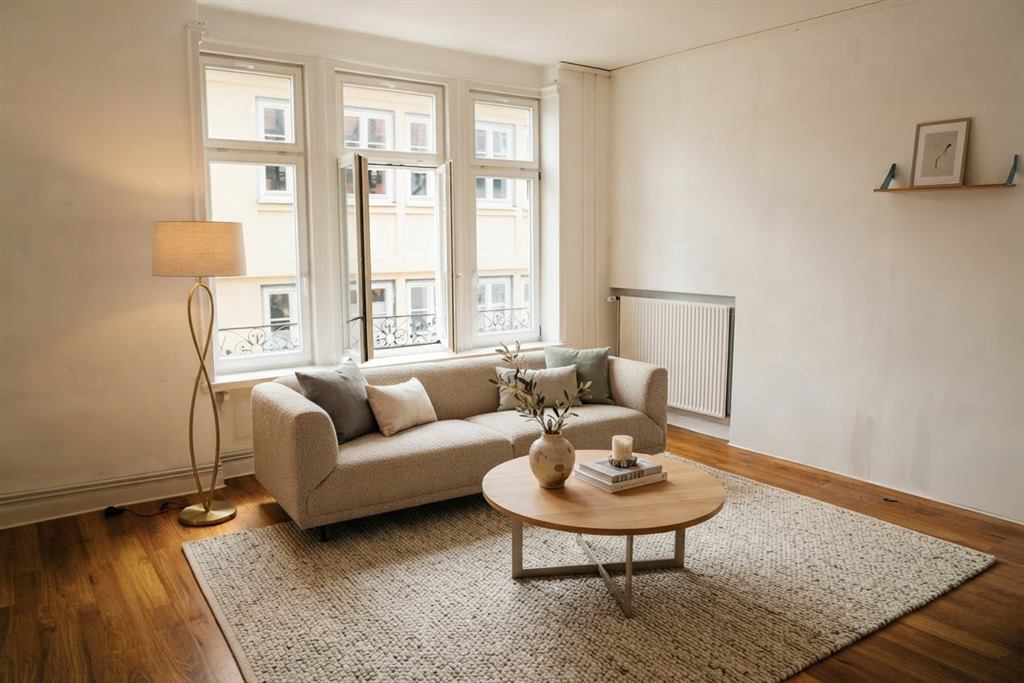
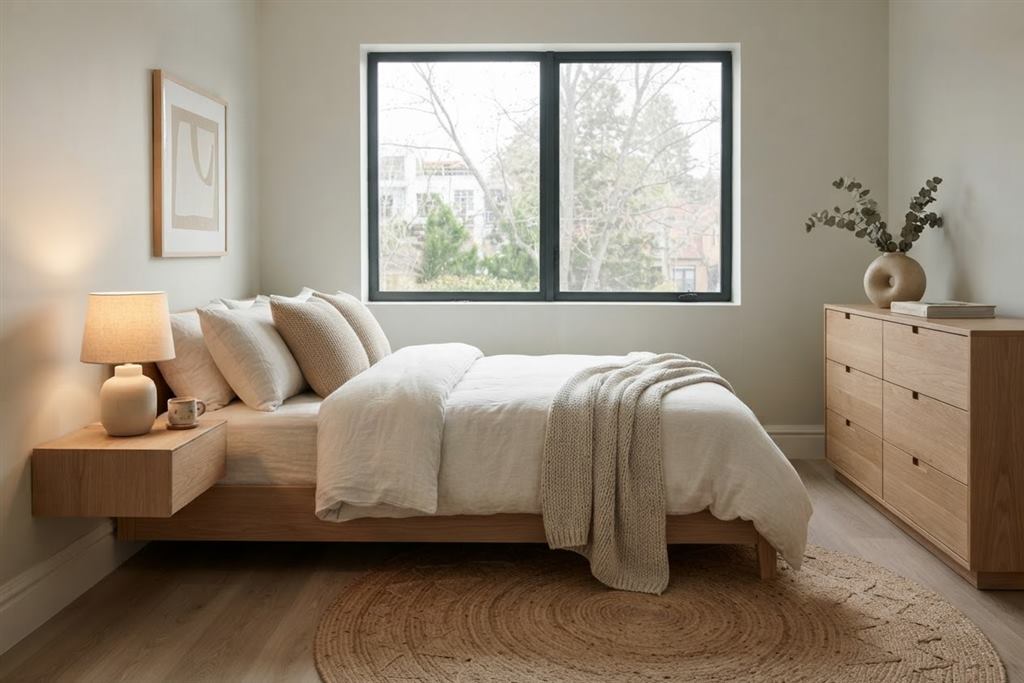
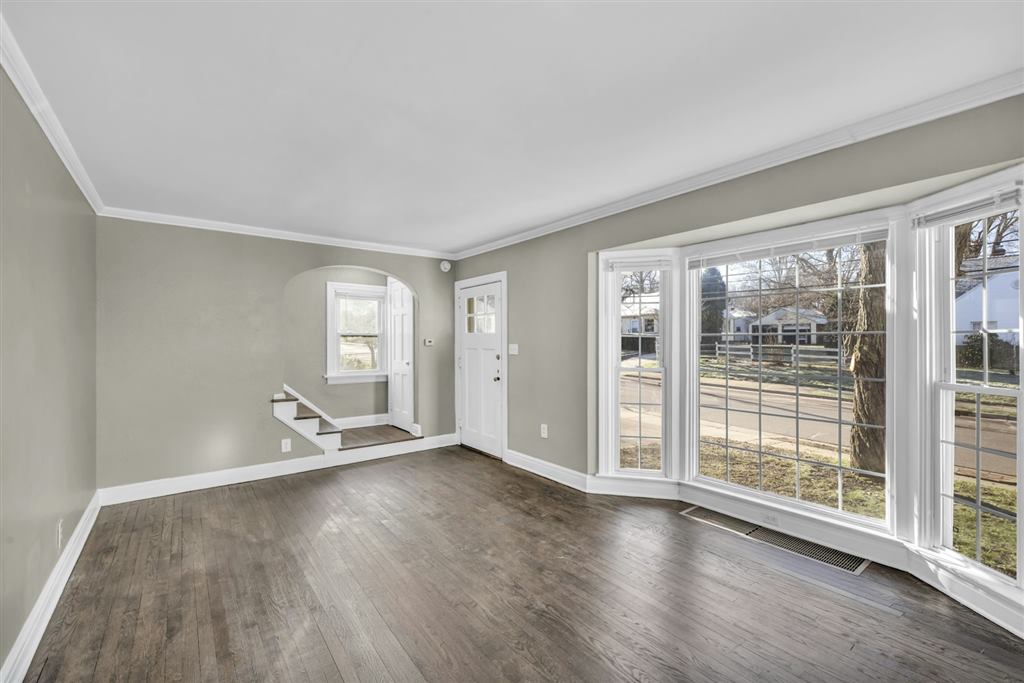
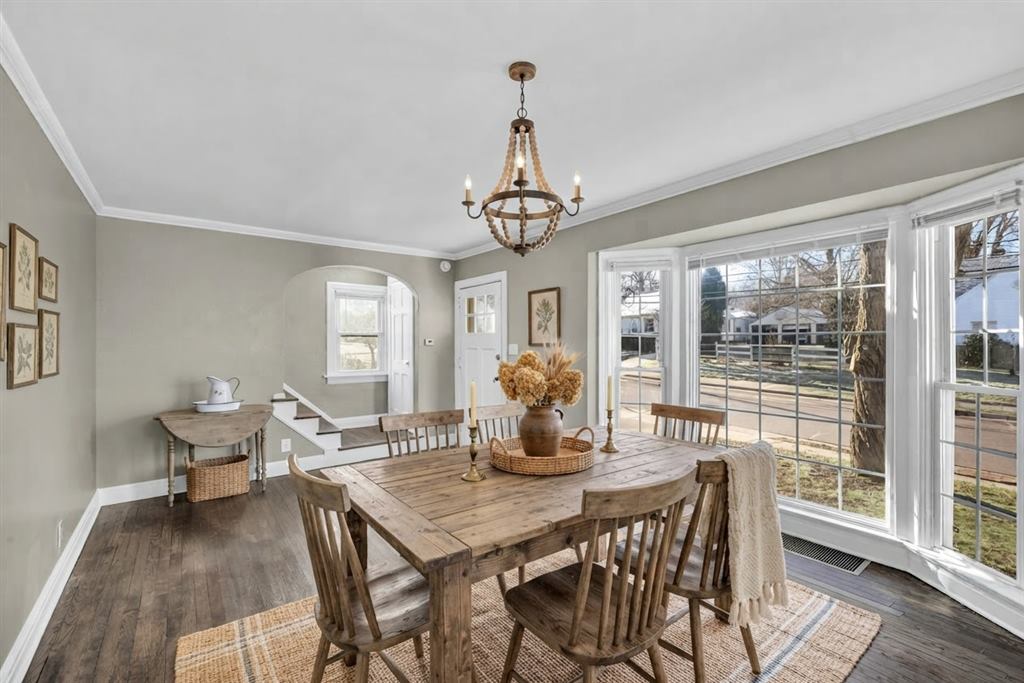
Virtual staging adds photorealistic furniture and decor to photos of empty rooms. The room itself is never altered — walls, floors, and fixtures stay exactly as they are. The result is a listing that looks lived-in and inviting online, while the physical property remains unchanged for showings.
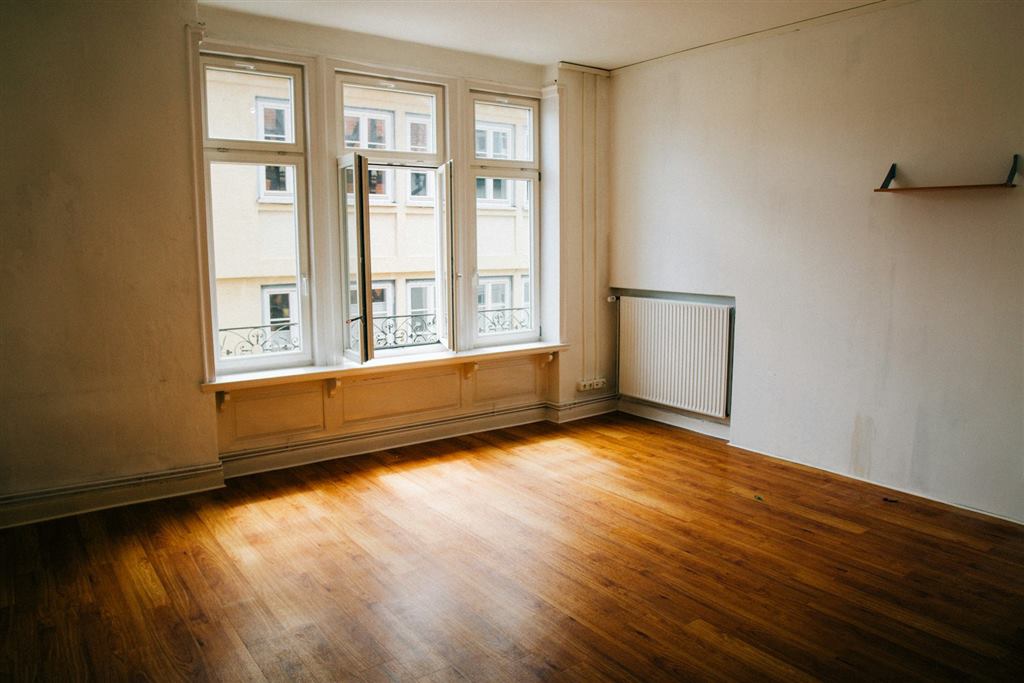
Staged listings receive significantly more online engagement than vacant ones. According to the National Association of Realtors, 81% of buyers' agents say staging makes it easier for buyers to visualize the property as a future home. Virtual staging delivers this benefit at under 1% of the cost of traditional home staging — and in minutes rather than days.
Side-by-side comparison based on a typical 3-bedroom listing with 8 marketing photos.
| Real (Physical) Home Staging | Virtual Staging | |
|---|---|---|
| Upfront cost | $2,000–$8,000 | $10–$800 (AI: ~$10–$150) |
| Ongoing cost | $500–$1,000/mo furniture rental until sold | None |
| Time to ready | 3–7 days (consult, delivery, setup) | Seconds to 48 hours |
| Restyle to a different look | New furniture contract | Re-render in a new style, minutes |
| Works for occupied homes | Difficult — requires moving owner's items | Yes — stage the empty rooms only |
| Online listing photos | Excellent | Excellent (with disclosure) |
| In-person showings | Excellent — home shows furnished | Home shows empty |
| Risk | Damage liability, contract lock-in | Buyer disappointment if over-edited |
When you compare the results of virtual staging to regular staging, the ROI picture is clear for most listings.
If physical home staging costs $4,000 and virtual costs $40, physical staging needs to produce 100× the effect to justify itself on photos alone. For the 95% of buyers who shortlist online, the photos — not the furniture — drive the decision. Virtual staging captures most of the value at a fraction of the cost.
Physical home staging takes 3–7 days to arrange. Virtual staging takes minutes. Every day a listing sits without compelling photos is a day it gets scrolled past. For agents handling multiple listings, virtual staging means every property goes live with professional-quality images immediately.
With physical staging, you get one look. With virtual staging, you can show the same room in modern, farmhouse, Scandinavian, or industrial style — appealing to different buyer demographics without renting different furniture sets.
Real staging comes with monthly furniture rental fees ($500–$1,000/mo) that accumulate until the home sells. A listing that takes 3 months to sell can run $5,500+ in staging costs alone. Virtual staging is a one-time expense with zero carrying cost.
The economics changed because buyer behavior changed.
Nearly all buyers now begin their search online, and most decide from the photos whether a home makes their shortlist. A home that loses the photo battle never gets the chance to win the showing. This is where virtual staging delivers the same impact as traditional home staging.
Vacant rooms look smaller and colder in photos than in person — buyers struggle to judge scale without furniture. Both virtual and physical staging fix this perception problem, but virtual staging does it at 1% of the cost.
Furniture logistics make physical home staging impractical for rural properties, quick winter listings, or markets with thin stager supply. Virtual staging works anywhere a camera does.
Need to appeal to young professionals and retirees in the same market? Virtual staging lets you create multiple versions of the same room. Physical staging locks you into one look until you pay for a full swap.
An honest list. Virtual staging is not the answer to everything.
When buyers tour five similar $2M homes in a weekend, the furnished one anchors their memory. At high price points the staging cost is a rounding error against the potential price movement.
Odd-shaped rooms, split levels, and flexible spaces confuse buyers in person. Physical furniture answers "does a king bed fit?" in a way a photo can't during the actual walkthrough.
If a home will host months of open houses, the per-visit cost of physical staging drops and the empty-house letdown compounds. For quick-turn listings, the math flips the other way.
These terms overlap — here's how they differ.
Real furniture, real decor, physically placed in the home. Costs $2,000–$8,000+ per listing. The home looks furnished for both photos and in-person showings.
Photorealistic furniture digitally added to photos of empty rooms. The actual room is never changed. Costs $10–$800 per listing. Only visible in photos, not in person.
"Digital staging" and "virtual staging" are the same thing — both refer to adding furniture to photos digitally. Some companies use "digital" to distinguish AI-powered tools from manual Photoshop editing.
Virtual staging is legal and MLS-accepted everywhere — with two conditions.
Label virtually staged photos in the listing. MLS rules and truth-in-advertising law both require it, and buyers respond fine to disclosed staging — what they punish is surprise.
Adding furniture is staging; changing walls, floors, windows, or fixtures is misrepresentation. StageOnce's structure-lock keeps the room's actual architecture untouched — only furnishings are added. Full details in our MLS rules guide.
Upload one photo of an empty room. Get it back staged in under 30 seconds.
Stage Your First Photo FreeNo sign-up. No credit card. Lifetime access is $299.99 once if you like the results.